The Art of the 3D Inflated Gingerbread House Tumbler: A Guide to Seasonal Drinkware Design
The holiday season is not merely a time for celebration; it is a peak period for creativity, commerce, and personal expression. For crafters, small business owners, and DIY enthusiasts, this window represents a significant opportunity to create unique, high-value products that resonate with consumers seeking personalized gifts. Among the myriad of trends that emerge during these months, the 3D Inflated Gingerbread House Tumbler has established itself as a standout favorite. This design aesthetic combines the nostalgic warmth of traditional winter architecture with modern sublimation techniques, resulting in drinkware that feels both tactile and visually striking.
Understanding the mechanics behind this trend requires looking beyond the visual appeal. It involves grasping the technical specifications of digital assets, the versatility of sublimation printing, and the strategic application of design elements across various media. Whether you are a seasoned pro or just beginning your journey into custom drinkware, exploring the nuances of this specific gingerbread motif offers valuable insights into successful seasonal product development.
Deconstructing the Digital Asset
At the heart of every successful physical product is a high-quality digital foundation. When discussing the creation of a 3D Inflated Gingerbread House Tumbler, the primary focus must be on the integrity of the source file. In the context of sublimation printing, where ink is transferred from paper to substrate using heat and pressure, resolution is paramount. Low-resolution images result in pixelation, blurriness, and a lack of detail that can detract from the perceived value of the final item.
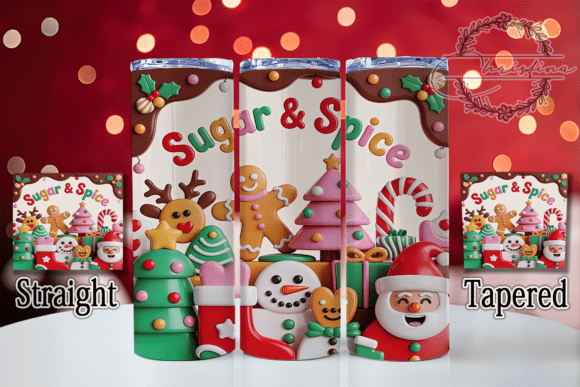
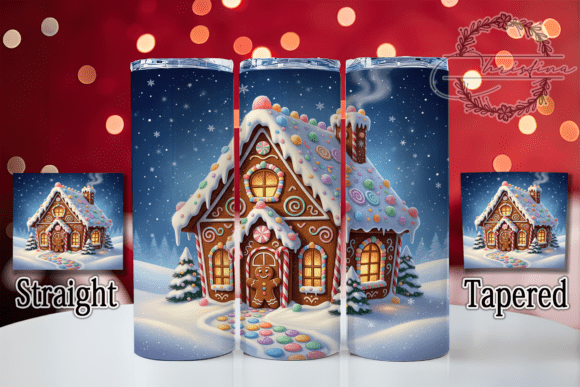
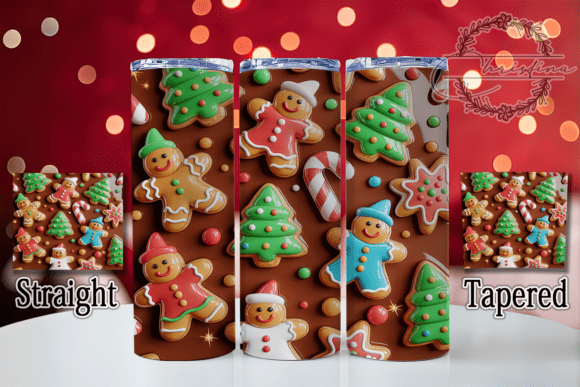
A professional-grade design file typically adheres to strict technical standards. For instance, a common and effective offering includes two distinct variations of the same design to accommodate different container shapes. Specifically:
- Straight Design PNG: This file is optimized for cylindrical surfaces with uniform width, such as standard tumblers or bottles.
- Tapered Design PNG: This file is engineered specifically for 20oz skinny tumblers, which feature a narrower base and a wider rim. The curvature of the image is pre-adjusted to prevent distortion when wrapped around the sloped sides of the tumbler.
Both files should be provided in high resolution at 300 DPI (dots per inch). This density ensures that fine details—such as the texture of the "gingerbread" icing, the crispness of the candy decorations, and the depth of the "inflated" 3D effect—are rendered sharply. The use of PNG format is critical because it supports transparency, allowing the design to blend seamlessly with the color of the tumbler if desired, or to stand out boldly against a white or pastel background.
The Appeal of the 3D Inflated Aesthetic
Why has the "inflated" style gained such traction? The answer lies in the psychological impact of volume and texture. Traditional flat graphics often struggle to convey depth on curved surfaces. However, an inflated design mimics the look of raised stickers or puffy paint. This creates an optical illusion of dimensionality that catches the light differently as the viewer moves, adding a dynamic quality to the object.
In the case of the gingerbread house theme, this technique enhances the whimsical nature of the subject matter. The "house" appears to pop off the surface of the tumbler, making it feel more like a tangible toy or decoration than a simple printed pattern. This aligns perfectly with the cozy, playful spirit of the holidays. Consumers are drawn to items that evoke emotion, and the tactile promise of a 3D look satisfies a desire for richness and quality in everyday objects.
Versatility Beyond the Tumbler
While the marketing for many of these designs highlights their suitability for 20oz skinny tumblers, limiting the scope of a digital asset to a single product type is a missed opportunity for creators. The underlying principles of vector-based or high-resolution raster design allow for extensive scalability and adaptation. Once you possess a high-quality 3D Inflated Gingerbread House Tumbler graphic, its application can extend far beyond beverage containers.
Consider the following alternative uses:
- Apparel and Textiles: The design can be resized and applied to hoodies, sweatshirts, or tote bags. The inflated effect translates well to fabric, especially when used with heat transfer vinyl or puff print services.
- Home Decor: Large-format prints can be transferred to ceramic mugs, coasters, or even canvas prints for wall art. The festive nature of the gingerbread house makes it ideal for kitchen decor during the winter months.
- Stationery and Paper Goods: High-resolution images are perfect for printing on greeting cards, gift tags, wrapping paper, and scrapbooking materials.
- Digital Media: Creators can use the design for social media graphics, email headers, or website banners to promote holiday sales or events.
This flexibility underscores the importance of purchasing or creating designs with broad utility in mind. A versatile asset provides greater return on investment, whether that investment is measured in time spent designing or money spent acquiring the digital file.
Technical Considerations for Sublimation Success
For those executing the physical production of these items, understanding the limitations and possibilities of sublimation is essential. Sublimation ink turns into a gas under heat and bonds with polyester fibers or polymer-coated substrates. Therefore, the success of the 3D Inflated Gingerbread House Tumbler depends heavily on the material chosen.
Color Accuracy and Calibration: One of the most frequent challenges in digital-to-physical translation is color consistency. Screen monitors vary widely in their color profiles due to differences in manufacturer settings, age, and ambient lighting. Similarly, printers may interpret colors differently based on ink quality and paper type. As noted in many professional listings, while efforts are made to accurately represent colors, final print results may vary slightly. To mitigate this, users should calibrate their monitors regularly and perform test prints on scrap material before committing to expensive blank products.
Resizing and Aspect Ratio: While the included files are tailored for specific tumbler dimensions, resizing large digital assets can sometimes lead to a loss of sharpness if not done correctly. It is advisable to keep the original file intact and work on copies. If scaling down, ensure that the resolution remains sufficient for the new size. Conversely, scaling up beyond the original dimensions will inevitably introduce pixelation, ruining the crisp 3D effect.
Target Audience and Market Positioning
The market for custom drinkware is diverse, catering to a wide spectrum of individuals. Understanding who buys these products helps in tailoring marketing efforts and product presentations.
Hobbyists and Crafters: These individuals are often looking for inspiration and ready-to-use assets to speed up their workflow. They appreciate clear instructions, high-quality files, and designs that are easy to apply. For them, the convenience of a pre-designed, high-DPI PNG is invaluable.
Small Business Owners: Entrepreneurs in the handmade space need products that sell. They are attracted to designs that have proven popularity, such as holiday-themed items. The 3D Inflated Gingerbread House Tumbler appeals to this group because it taps into a timeless seasonal trend while offering a modern twist that distinguishes it from generic clipart.
Corporate Clients: Businesses often seek unique branded merchandise for employee gifts or client appreciation during the holidays. A custom tumbler featuring a festive, high-quality design can serve as a memorable promotional item. The professional appearance of a well-executed sublimation print meets corporate standards for quality and aesthetics.
Support and Community Engagement
In the digital marketplace, support plays a crucial role in customer satisfaction. When purchasing digital assets, issues such as file corruption, incorrect formatting, or questions about usage rights can arise. A reputable seller or creator prioritizes communication, offering assistance to ensure the buyer can successfully utilize the product. This might include guidance on how to open PNG files, tips for adjusting design placement, or troubleshooting printing errors.
Building a relationship with customers through helpful service fosters loyalty and encourages repeat business. It also contributes to positive reviews, which are vital for visibility in online marketplaces. By providing comprehensive resources and responsive support, creators enhance the overall user experience, turning a simple transaction into a valued interaction.
Conclusion
The 3D Inflated Gingerbread House Tumbler represents more than just a seasonal decoration; it is a testament to the intersection of digital artistry and practical manufacturing. From the technical precision of 300 DPI PNG files to the creative potential of applying the design across multiple mediums, every aspect of this product demands attention to detail. By leveraging high-quality assets, understanding the nuances of sublimation, and recognizing the diverse needs of the target audience, creators and businesses can produce items that delight consumers and stand out in a crowded market. As the holiday season approaches, embracing these tools and techniques allows for the creation of meaningful, beautiful, and functional keepsakes that capture the magic of the winter holidays.