Mandala 3D Layered SVG Cut File-53: A Comprehensive Evaluation for Print and Digital Applications
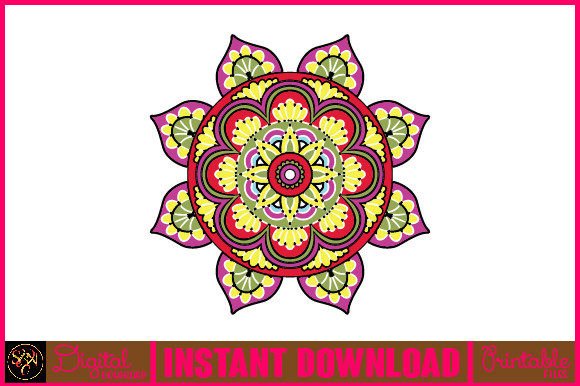
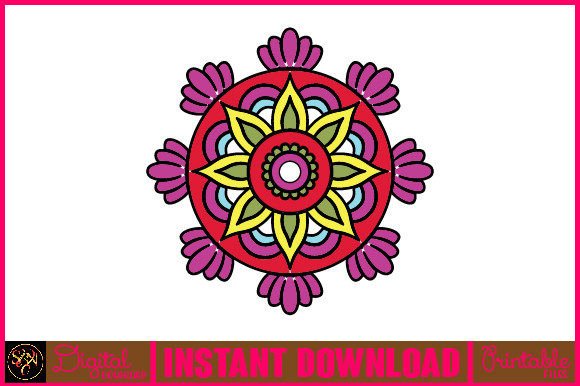
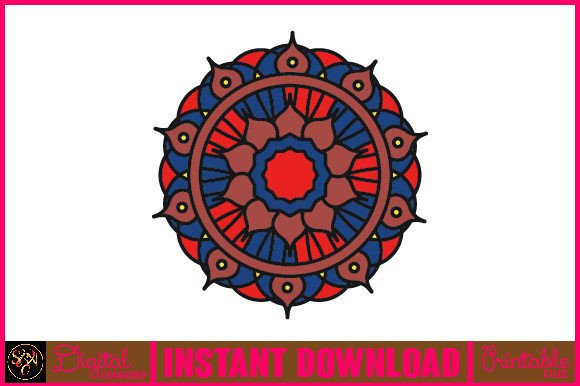
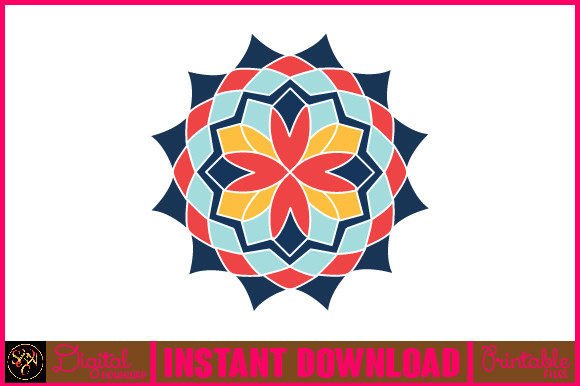
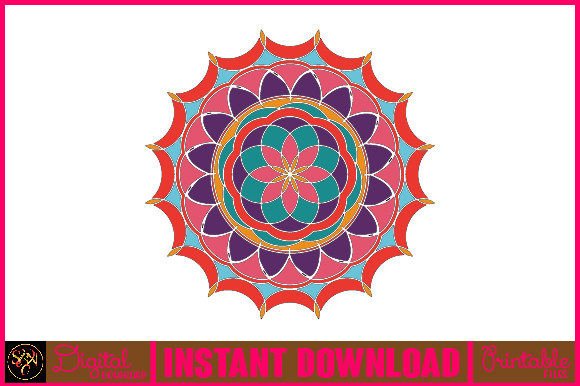
The digital asset market for graphic design is vast, but finding a file that balances artistic complexity with technical versatility can be challenging. Mandala 3D Layered SVG Cut File-53 represents a specific category of vector graphics designed to bridge the gap between intricate hand-drawn aesthetics and modern manufacturing requirements. This particular design features a colorful mandala with tribal ornaments, offering a distinct visual appeal that stands out against more generic geometric patterns. For professionals and hobbyists alike, understanding the specific capabilities of this layered file is essential before integrating it into commercial or personal projects.
Distinguishing Features of the Design
What sets Mandala 3D Layered SVG Cut File-53 apart from standard clip art is its structural composition. Unlike flat raster images that lose quality when resized, this file utilizes vector technology. The "layered" aspect is particularly significant; it implies that the design elements are not merged into a single block. Instead, individual components of the tribal ornamentation and the central mandala motif are separated. This separation allows users to manipulate colors, sizes, and positions of specific parts without affecting the rest of the image.
The aesthetic itself is described as hand-drawn yet precise. The inclusion of tribal ornaments adds a cultural depth and organic flow that rigid, computer-generated shapes often lack. The "3D" designation in the title suggests a visual depth achieved through layering techniques, giving the flat print a sense of dimensionality. This makes the design particularly suitable for applications where texture and detail are paramount, such as high-quality apparel printing or detailed stationery.
Comparative Analysis: Vector vs. Raster and Layered vs. Flat
When evaluating Mandala 3D Layered SVG Cut File-53, it is helpful to compare it against other common formats found on the market. Many users initially seek JPG or PNG files because they are universally compatible. However, these raster formats have inherent limitations regarding scalability. If you attempt to print a standard JPG on a large canvas bag or a wide-format poster, pixelation becomes a visible issue. In contrast, the SVG (Scalable Vector Graphics) component of this package ensures that the lines remain crisp regardless of whether the output is a small sticker or a massive banner.
Furthermore, the distinction between a layered file and a flat file is critical for production workflows. A flat vector file is essentially a single object; if you want to change the color of just the outer ring of the mandala, you cannot do so without using complex editing tools or recreating the shape. With Mandala 3D Layered SVG Cut File-53, the layers allow for granular control. You can isolate the tribal elements to create a secondary pattern or recolor specific segments to match a brand's palette. This flexibility reduces the need for manual tracing or redrawing, saving significant time during the pre-press phase.
Versatility Across Production Mediums
The primary value proposition of this file lies in its adaptability across various physical and digital mediums. The design is explicitly marketed for printing purposes, but its utility extends far beyond simple t-shirt decoration.
Apparel and Soft Goods
In the realm of textiles, the layered nature of the file is advantageous. When used for screen printing, the layers can be separated to create different ink screens, allowing for multi-color effects on a single garment. For Direct-to-Garment (DTG) printing, the vector data ensures smooth gradients and sharp edges. The design fits well on hoodies, t-shirts, and canvas bags, where the intricate details of the tribal ornament can be appreciated at a closer range. The ability to scale the design up or down means it works equally well on a pocket-sized logo or a full-back graphic.
Stationery and Home Decor
Beyond clothing, the mandala serves as an excellent centerpiece for stationary items like notebooks and posters. The colorful nature of the design draws the eye, making it ideal for planners or journals intended for creative professionals. Similarly, for home decor items like mugs and wall art, the high-resolution potential of the vector format ensures that the fine lines of the mandala do not blur. The "3D" effect mentioned in the product description translates well to textured surfaces, adding a tactile feel to the visual experience.
Digital and Social Media Applications
The utility of Mandala 3D Layered SVG Cut File-53 is not limited to physical goods. The included JPG and PNG files make it immediately usable for social media banners and flyers. While the vector file is best for production, the raster versions provided offer convenience for web use. The vibrant colors and balanced composition work effectively as profile pictures, cover photos, or promotional graphics. The design's symmetry creates a natural focal point, which is crucial for capturing attention in crowded digital feeds.
Decision Factors: When to Choose This File
Selecting the right design asset depends heavily on the specific needs of your project. Mandala 3D Layered SVG Cut File-53 is likely the right choice if your workflow involves customization, scaling, or professional printing. The inclusion of multiple file formats—specifically the EPS and SVG alongside the JPG and PNG—indicates a comprehensive package designed to handle both print-ready and web-ready scenarios.
- Choose this file if: You require the ability to edit specific parts of the design, such as changing colors or isolating elements. It is ideal for businesses producing custom merchandise where consistency and high resolution are non-negotiable. The layered structure also benefits those who use cutting machines (like Cricut or Silhouette) for creating stickers or decals, as the layers can be cut individually for vinyl application.
- Consider alternatives if: Your project requires a completely static image that will never be resized or edited. In cases where file size is the only concern and no editing is needed, a simple JPG might suffice. Additionally, if the design style does not align with your brand identity—such as a minimalist corporate setting that prefers abstract geometry over ornamental tribal art—this specific mandala may not be the optimal fit.
Practical Tradeoffs and Limitations
While the versatility of Mandala 3D Layered SVG Cut File-53 is a major strength, there are tradeoffs to consider. The complexity of the design means that it may not reproduce well on very small scales. If used on a tiny item like a keychain or a small button, the intricate tribal details might become indistinguishable. Users must carefully evaluate the final output size to ensure the design remains legible.
Another consideration is the software proficiency required. To fully utilize the layered SVG and EPS files, users typically need access to vector editing software like Adobe Illustrator or Inkscape. While the JPG and PNG files are accessible to anyone, the true power of the asset is unlocked only by those capable of manipulating vectors. This presents a slight learning curve for beginners compared to simply dragging and dropping a raster image.
Conclusion on Suitability
The Mandala 3D Layered SVG Cut File-53 offers a robust solution for creators looking to incorporate intricate, colorful, and culturally inspired designs into their work. Its layered architecture provides a level of control that flat images simply cannot match, making it a superior choice for custom printing, merchandising, and branding projects. By providing a complete package including EPS, SVG, JPG, and PNG formats, the file caters to a wide range of technical requirements, from high-end textile production to quick social media updates.
For individuals aged 20 to 50 who are actively comparing design resources, this file represents a strong option due to its balance of aesthetic richness and functional flexibility. Whether decorating laptops with stickers, printing on hoodies, or designing promotional flyers, the ability to scale and customize ensures that the design remains relevant across diverse applications. Ultimately, the decision to use this asset should hinge on the need for editability and the desire for high-fidelity reproduction in both digital and physical spaces.