Mandala 3D Layered SVG Cut File-55: A Practical Asset for Modern Creative Workflows
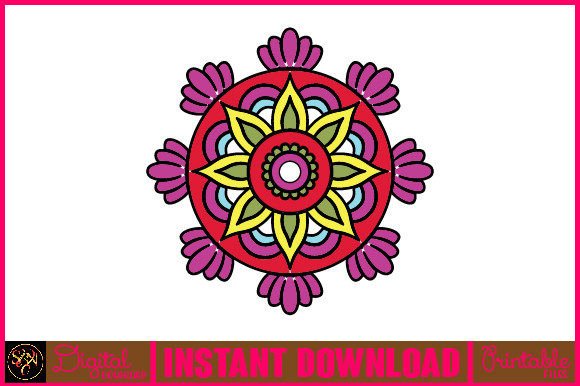
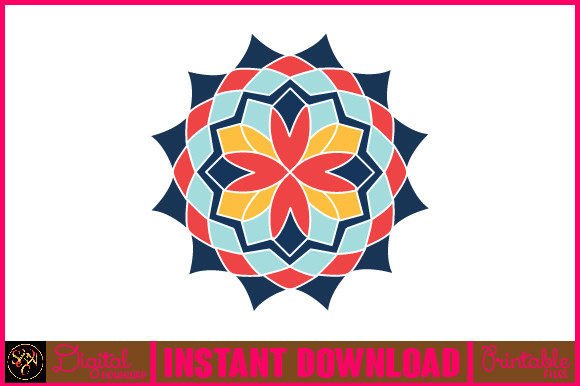
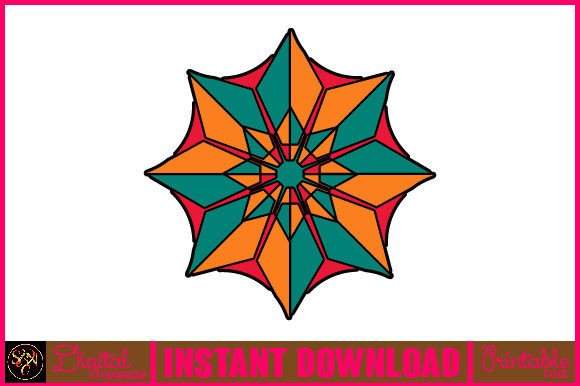
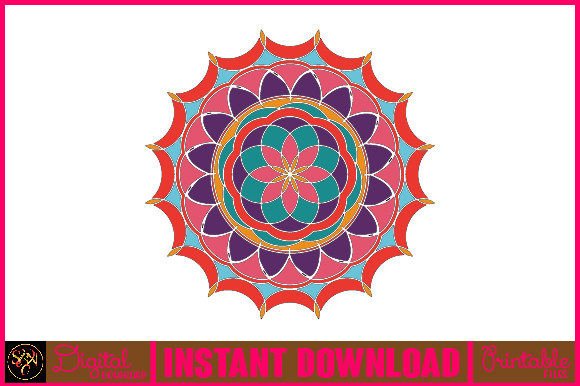
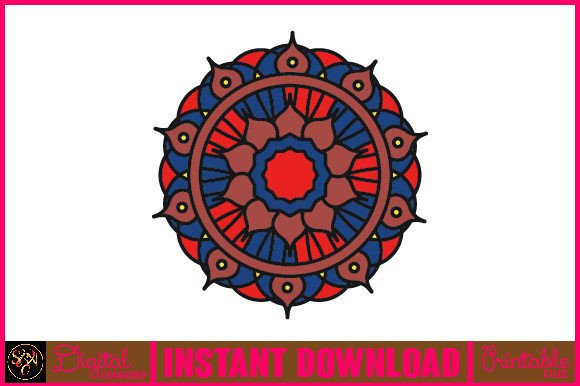
In the landscape of digital design and physical production, finding assets that bridge the gap between high-quality aesthetics and technical versatility is a constant challenge. Mandala 3D Layered SVG Cut File-55 addresses this specific need by offering a hand-drawn, colorful mandala with intricate tribal ornamentation. This is not merely a static image; it is a functional resource designed to integrate seamlessly into diverse workflows, from small business product lines to personal creative projects. The file's layered structure and vector format allow for precise manipulation, making it an ideal candidate for professionals who require consistency and scalability in their output.
Understanding the Asset Within a Production Context
The core value of Mandala 3D Layered SVG Cut File-55 lies in its adaptability across different mediums. Unlike raster images that lose quality when resized, this SVG (Scalable Vector Graphics) file maintains crisp edges whether used on a business card or a large-format banner. The "3D layered" aspect refers to the internal organization of the design elements. In professional graphic design software like Adobe Illustrator or CorelDRAW, these layers allow creators to isolate specific parts of the mandala, adjust colors independently, or remove sections without affecting the integrity of the whole piece. This granular control is essential during the pre-production phase, where designers often need to tailor a design to fit specific branding guidelines or material constraints.
The design itself features a hand-drawn aesthetic with vibrant colors and tribal motifs. This style resonates well with current market trends that favor artisanal looks over generic clip art. For entrepreneurs and hobbyists alike, this distinction provides a competitive edge. When planning a product launch, having a unique visual identity is crucial. This mandala serves as a foundational element that can be repurposed, ensuring that your brand remains consistent while avoiding the look of mass-produced templates.
Integrating the Design Across Physical Product Lines
One of the most common applications for this asset is in the realm of print-on-demand and custom merchandise. The workflow typically begins with selecting the target product, such as t-shirts, hoodies, canvas bags, or mugs. Because Mandala 3D Layered SVG Cut File-55 comes in multiple formats, including EPS and SVG, it is compatible with industry-standard cutting machines like Cricut and Silhouette, as well as professional printing software.
For apparel producers, the process involves importing the vector file into design software, scaling it to the desired dimensions, and positioning it on the virtual garment mockup. The layered nature of the file allows for color customization; if a client wants a black mandala instead of the default colorful version, the designer can easily swap the fill colors within the layers before sending the file to the printer. This flexibility reduces the time spent recreating designs from scratch, thereby increasing operational efficiency.
Furthermore, the design is suitable for stationary items like posters and notebooks. In an educational setting, teachers might use this mandala for printable worksheets or classroom decorations. The high-resolution JPG and PNG files included in the package ensure that the final printout retains the detail of the original hand-drawn lines. Whether you are producing a batch of 100 tote bags for a charity event or creating a single personalized mug, the asset supports both low-volume customization and high-volume manufacturing.
Digital Applications and Social Media Strategy
Beyond physical goods, Mandala 3D Layered SVG Cut File-55 plays a significant role in digital marketing and content creation. In the current digital ecosystem, visual consistency is key to building a recognizable brand presence on social media platforms. The ornamental colorful mandala design can be utilized as a background for social media banners, story highlights, or promotional flyers.
When developing a content calendar, marketers can use the mandala as a recurring theme to unify posts across different campaigns. For instance, a wellness blogger might use the tribal ornamentation to create a cohesive look for their Instagram feed, reinforcing a message of balance and harmony. The ability to export the design as a PNG with a transparent background allows for easy overlaying onto other digital assets, providing endless possibilities for layout experimentation.
Stickers represent another powerful application of this digital asset. By printing the design on adhesive vinyl, users can decorate laptops, phones, and water bottles. This transforms the mandala from a digital file into a tangible expression of personal style. For small business owners selling stickers, this file offers a ready-made product line that requires minimal additional design work. The instant download feature ensures that once the purchase is complete, the production cycle can begin immediately, eliminating waiting times associated with shipping physical files.
Technical Workflow and File Management
Successful implementation of any digital asset depends heavily on proper file management and technical preparation. Upon downloading the ZIP package for Mandala 3D Layered SVG Cut File-55, users receive four distinct file types: one EPS, one SVG, one JPG, and one PNG. Each format serves a specific purpose within the broader creative workflow.
- EPS and SVG Files: These are the primary working files. They should be opened in vector editing software for maximum flexibility. Use these when preparing files for vinyl cutting, screen printing, or large-scale printing where resolution is critical.
- PNG and JPG Files: These raster formats are best suited for web usage, email newsletters, or direct printing on devices that do not support vector inputs. They provide immediate visual representation without needing specialized software.
To maintain efficiency, it is advisable to organize these files into dedicated project folders. Before beginning a project, verify the compatibility of the vector files with your specific hardware or software. While the files are generally universal, checking layer names and color profiles can prevent unexpected errors during the cutting or printing process. Consistency in file naming conventions helps teams collaborate more effectively, ensuring that everyone involved in the production chain understands exactly which version of the mandala is being used.
Quality Control and Long-Term Utility
When integrating Mandala 3D Layered SVG Cut File-55 into long-term business strategies, quality control becomes paramount. Always perform a test print or cut on a scrap material before committing to a full production run. This step allows you to check color accuracy, scale, and the alignment of the layered elements. The hand-drawn nature of the design means that fine details may react differently to various materials; testing ensures that the final product meets the expected standards.
The longevity of this asset is another consideration. As design trends evolve, a versatile mandala design can remain relevant for years due to its classic tribal and ornamental roots. By keeping the source files organized and backed up, creators can revisit this asset for future projects without needing to search for new graphics. This approach aligns with sustainable business practices, reducing waste and saving time on research and acquisition.
Ultimately, the value of Mandala 3D Layered SVG Cut File-55 extends beyond the visual appeal of the artwork. It represents a tool that streamlines the path from concept to completion. Whether you are a freelancer managing multiple client deadlines, an educator preparing classroom materials, or an entrepreneur launching a new product line, this file provides the structural foundation needed to execute ideas with precision. Its readiness for print and compatibility with various tools make it a reliable component in a modern creator's toolkit, facilitating smooth transitions between digital planning and physical realization.
If any questions arise regarding the integration of this design into specific workflows or software environments, reaching out for clarification is a prudent step. Clear communication ensures that the asset is utilized to its fullest potential, maximizing the return on investment for both time and resources. By treating this mandala not just as an image but as a strategic resource, users can enhance the quality and professionalism of their outputs across all platforms.